PALEOSCHOOL
A Multidisciplinary Training Program on Paleoanthropology, Paleoclimate, and Quaternary Studies
About the Program
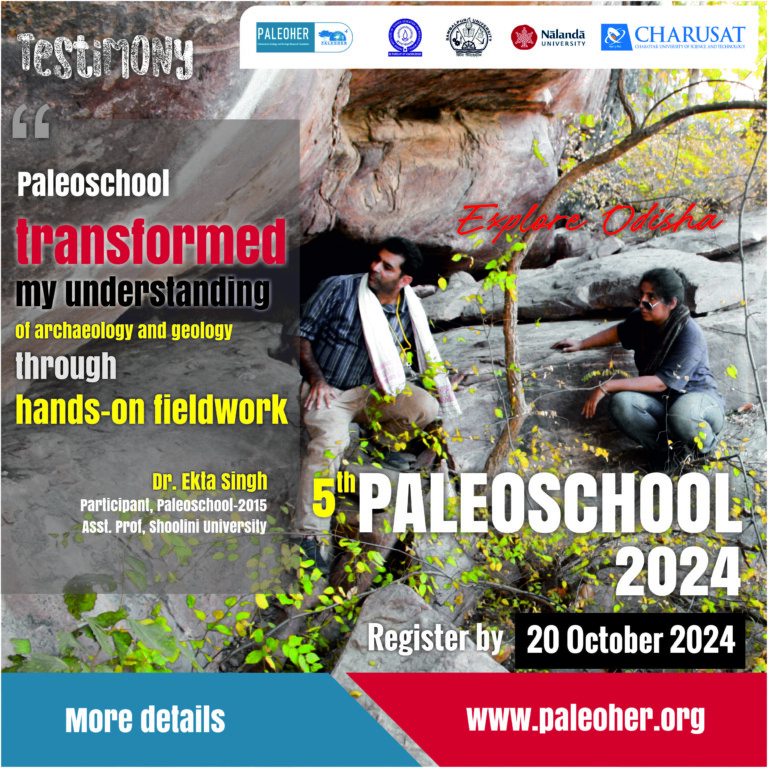
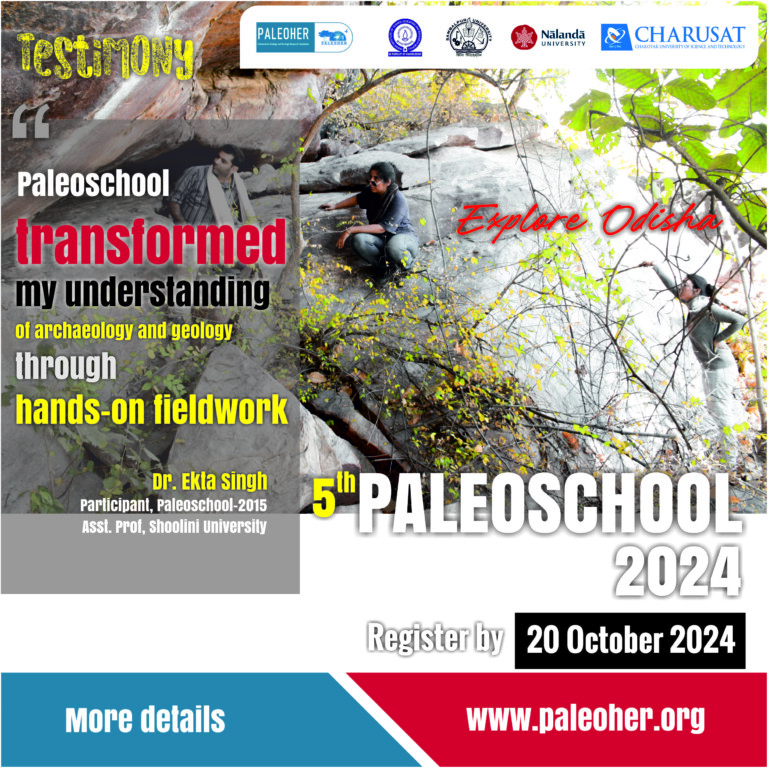
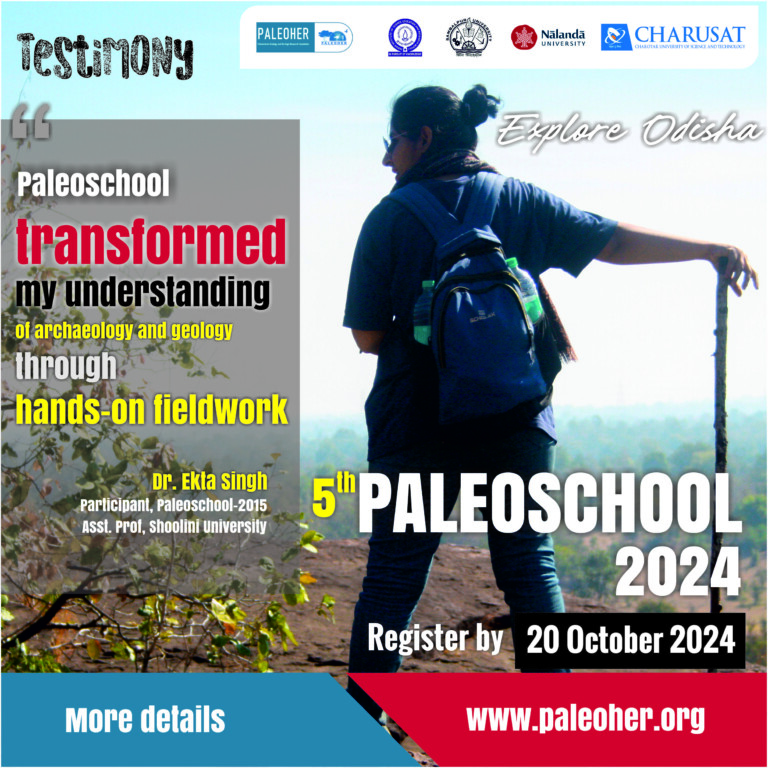
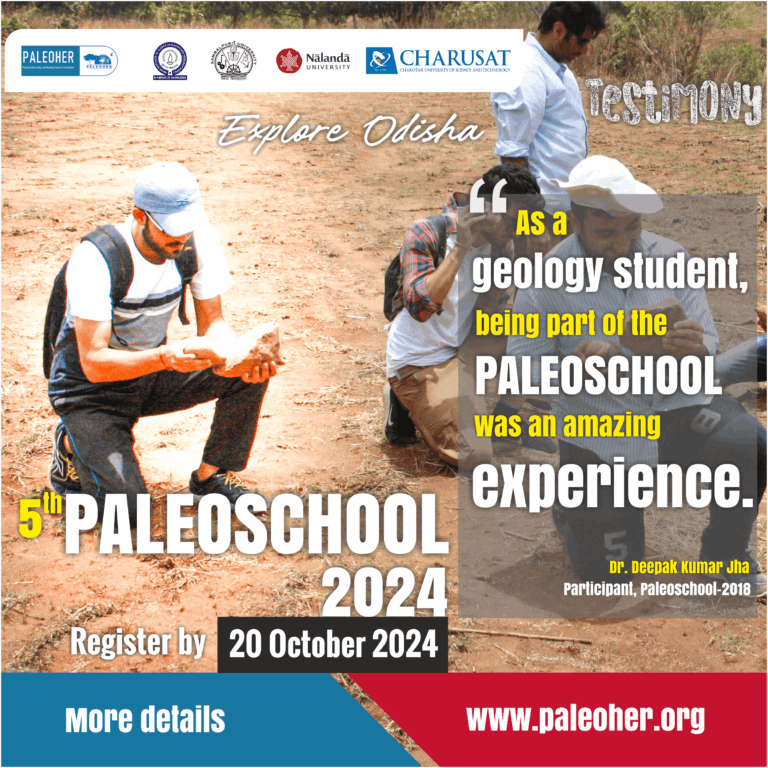
PALEOSCHOOL is a premier multidisciplinary training program offering hands-on experience in paleoanthropology, Quaternary geology, archaeology, paleoclimate reconstruction, and vertebrate palaeontology.
The program bridges gaps in formal curricula by providing field-based experiential training, enabling participants to:
- Survey prehistoric and Quaternary sites
- Interpret geological stratigraphy and sedimentology
- Conduct lithic analysis and vertebrate paleontology studies
- Collect and analyze samples for dating and paleoenvironmental reconstruction
Program Highlights
- Mode: Residential + field activities
Focus Areas:
Paleoclimate research methods and archives
Prehistoric archaeology and lithic technology
Human-environment interactions and adaptation
Field-based experiential training
Vertebrate palaeontology
Stratigraphic mapping and analytical techniques
Exposure to nationally and internationally acclaimed experts
Objectives
Interdisciplinary Skill Development: Training in paleoclimate reconstruction, Quaternary geology, vertebrate palaeontology, and prehistoric archaeology
Experiential Learning: Hands-on exposure to fieldwork, stratigraphic mapping, lithic studies, and analytical methods
Research Capacity Building: Equip participants with skills to address questions related to climate change, human evolution, and Quaternary environments
Collaboration: Strengthen institutional partnerships across India and abroad, fostering joint research and publications
Past Paleoschools
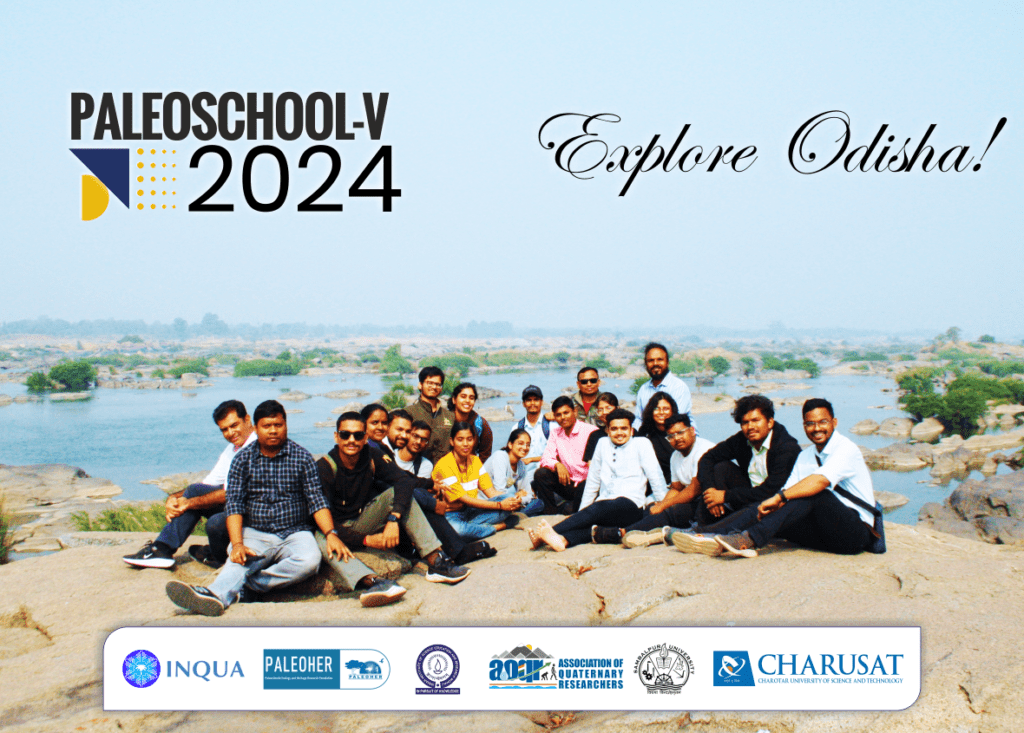
23 to 27 December 2024
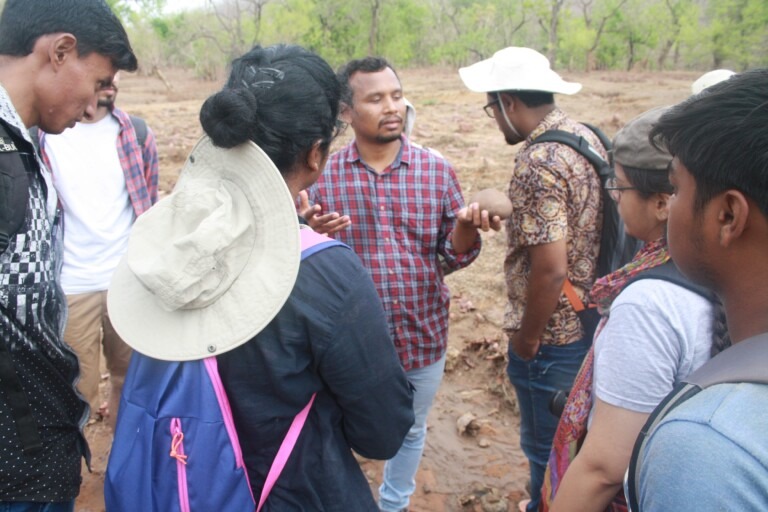
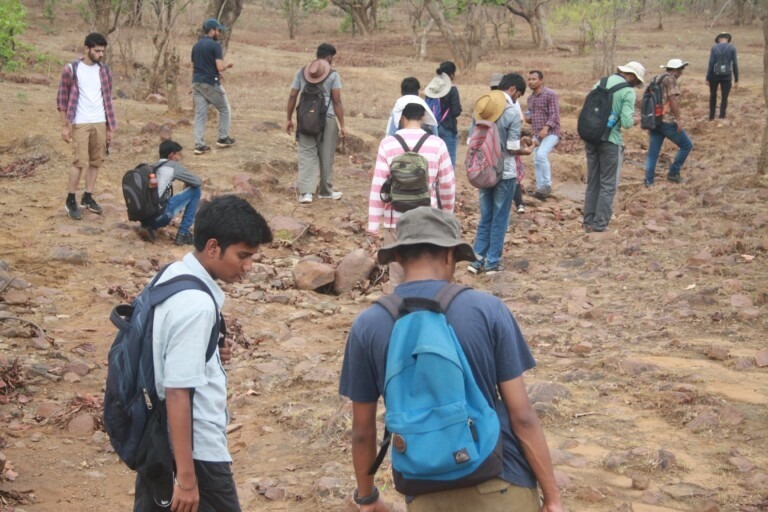
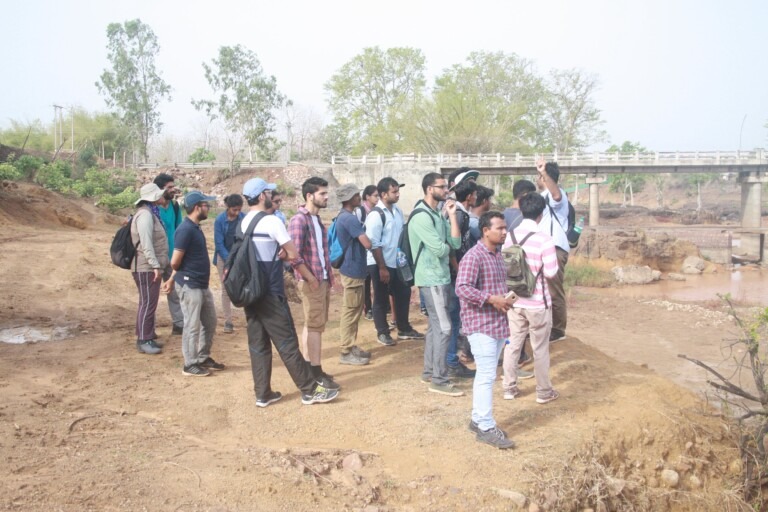
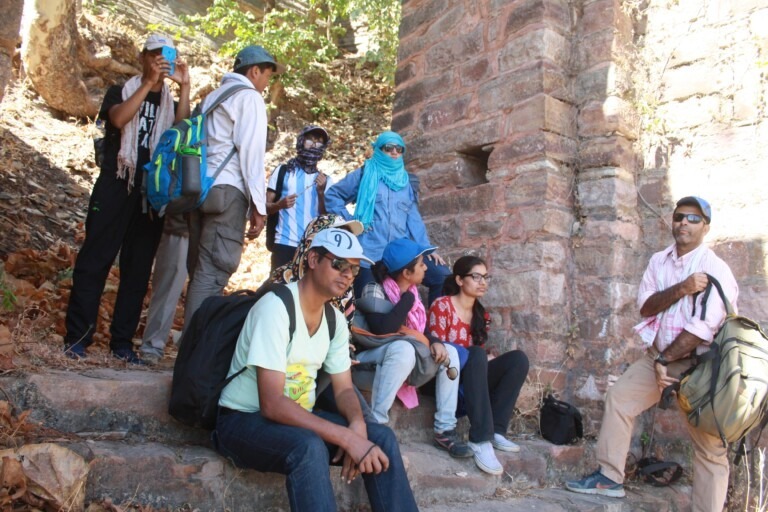
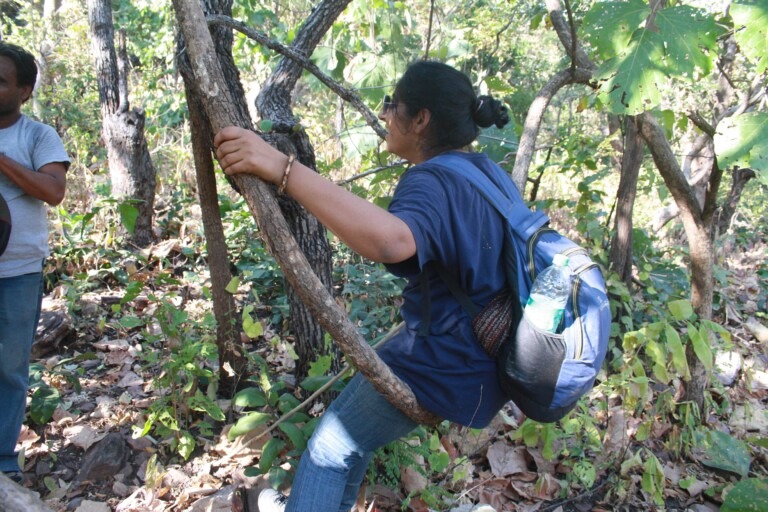
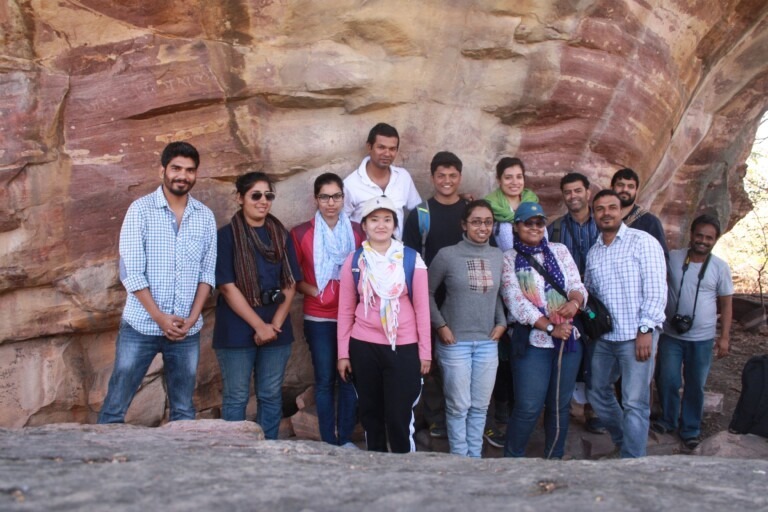
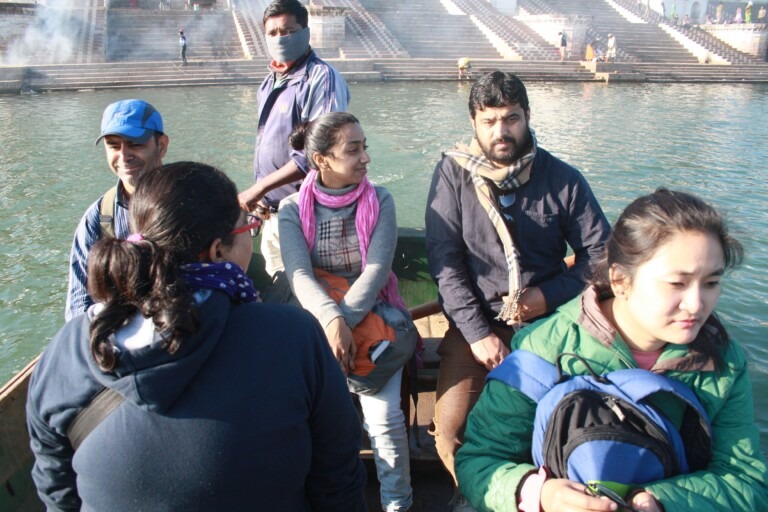
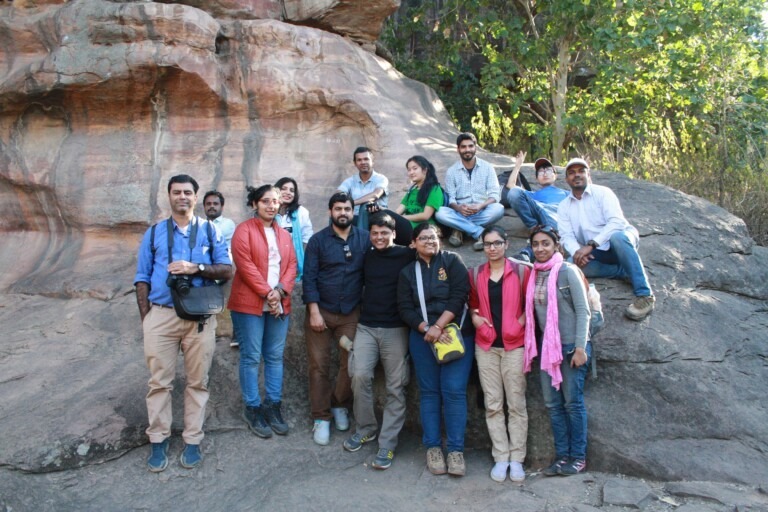
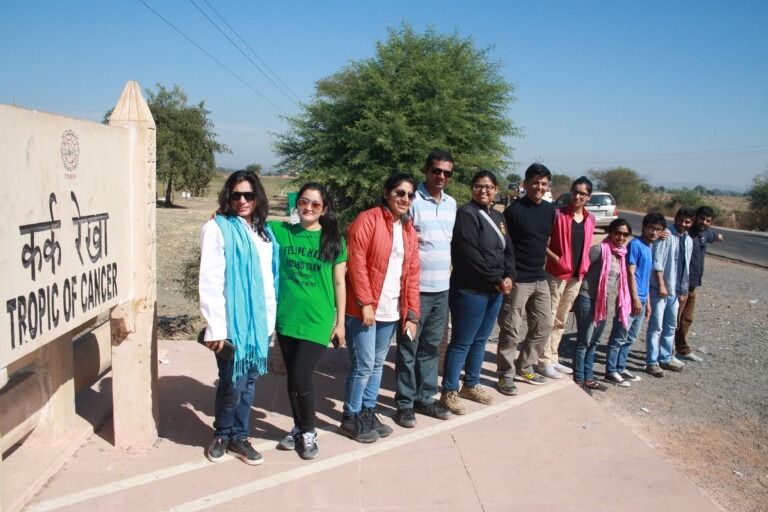
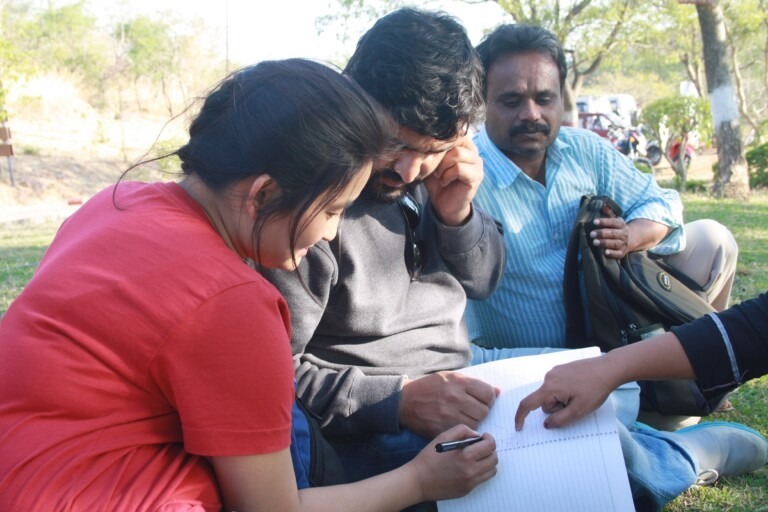
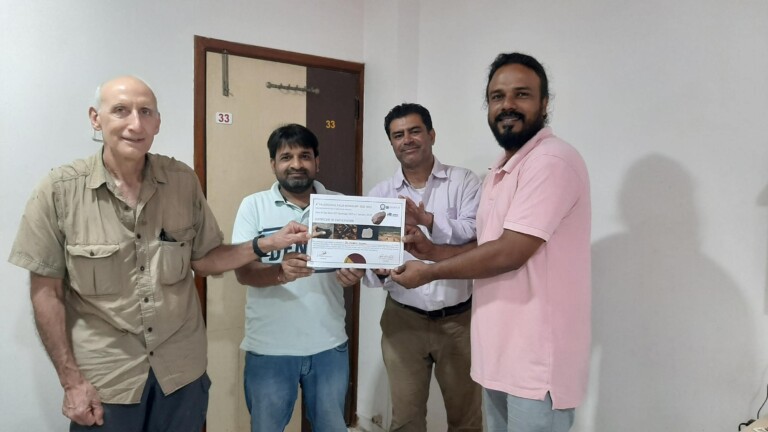
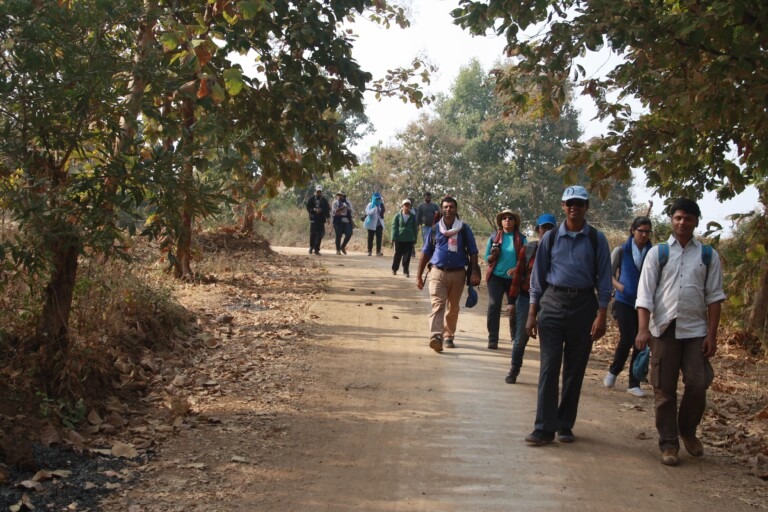
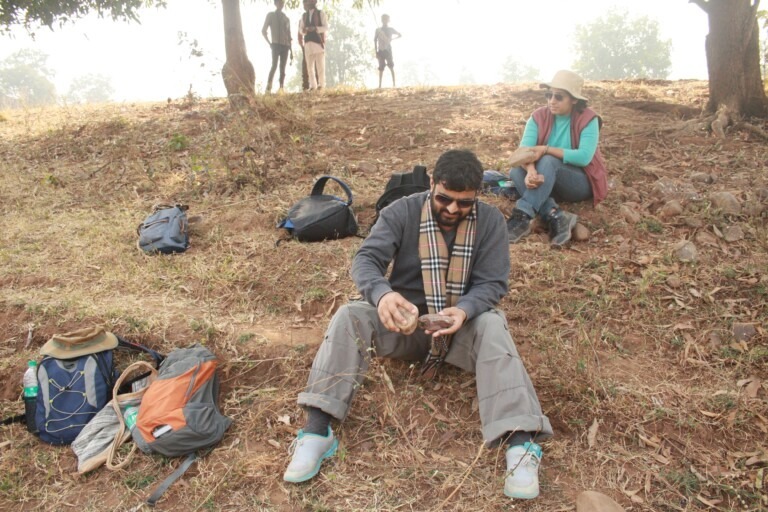
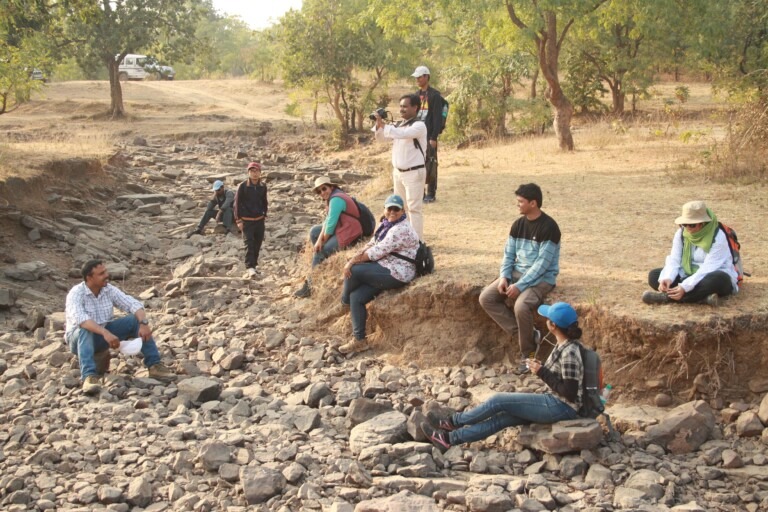
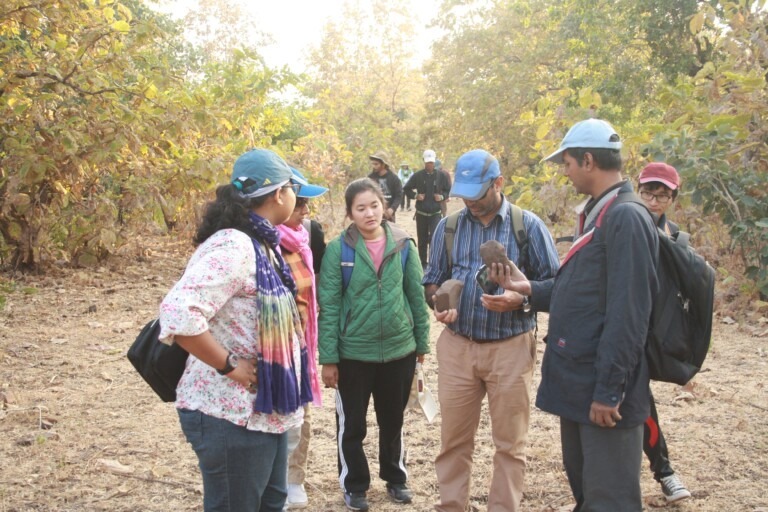
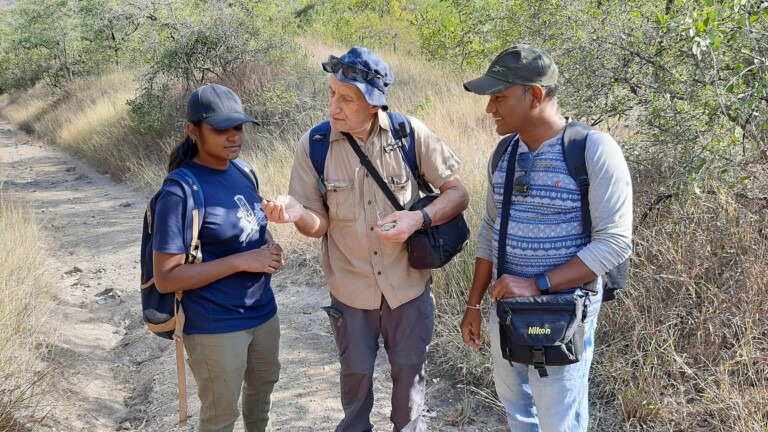
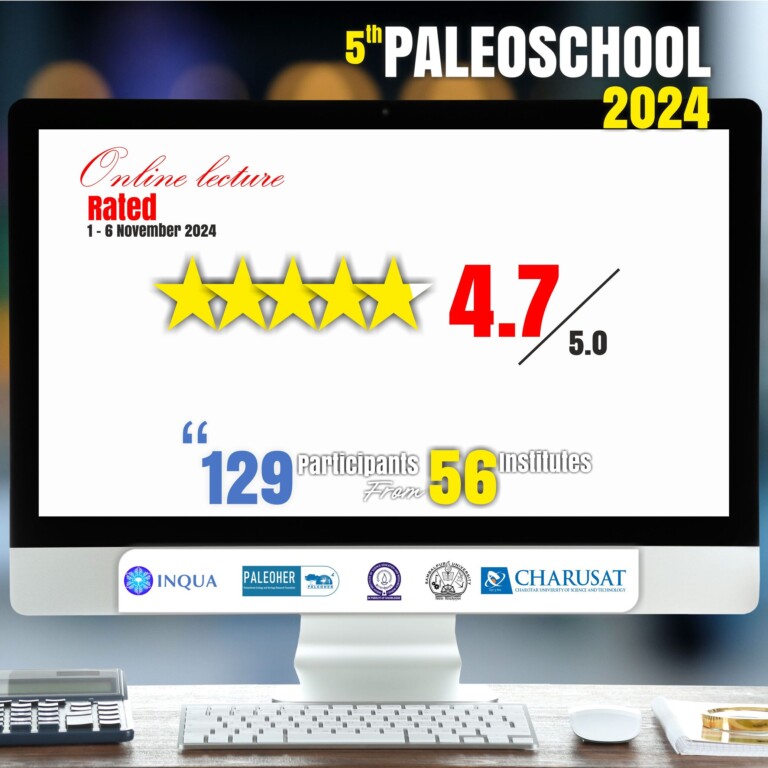
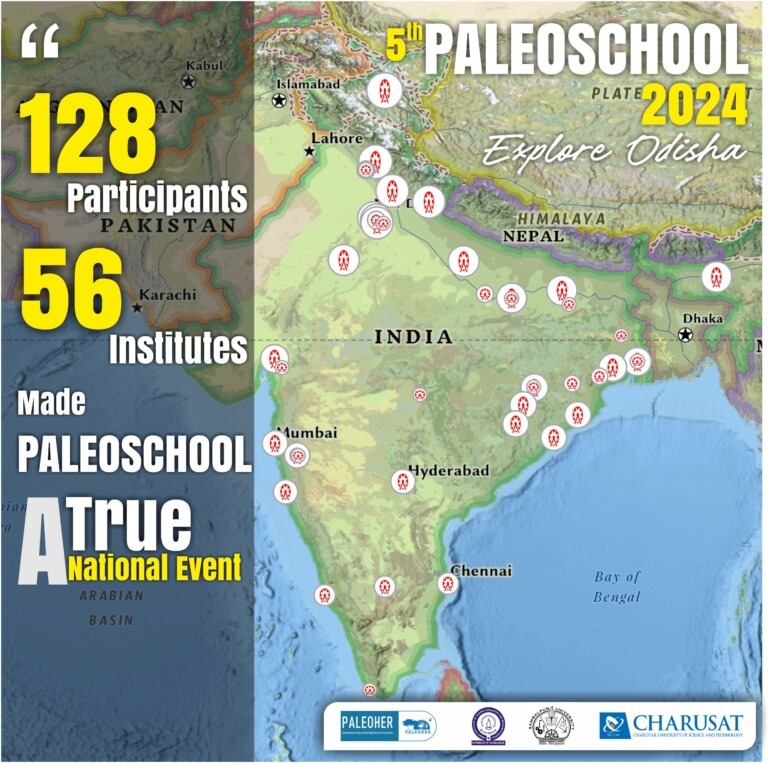
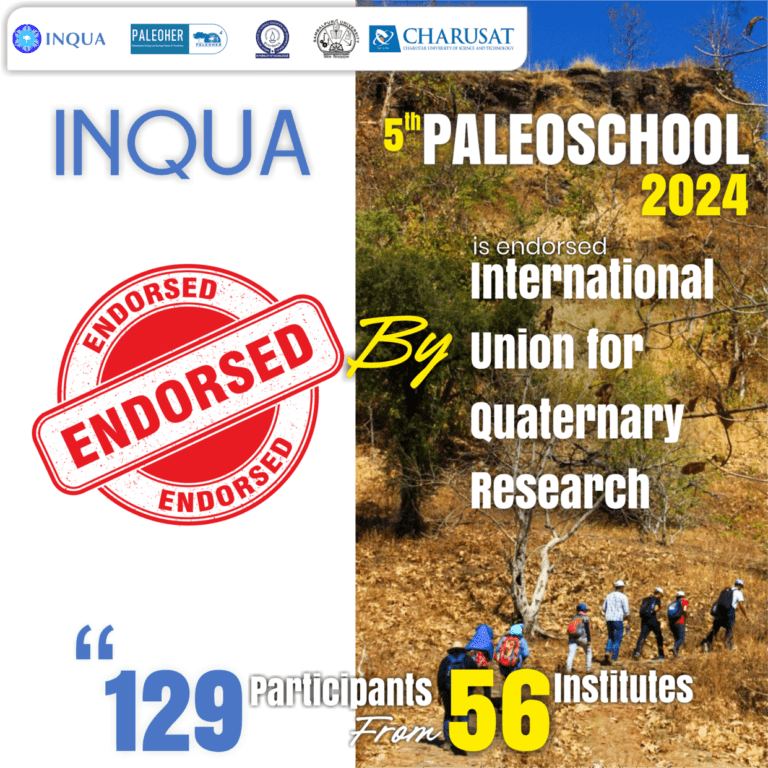
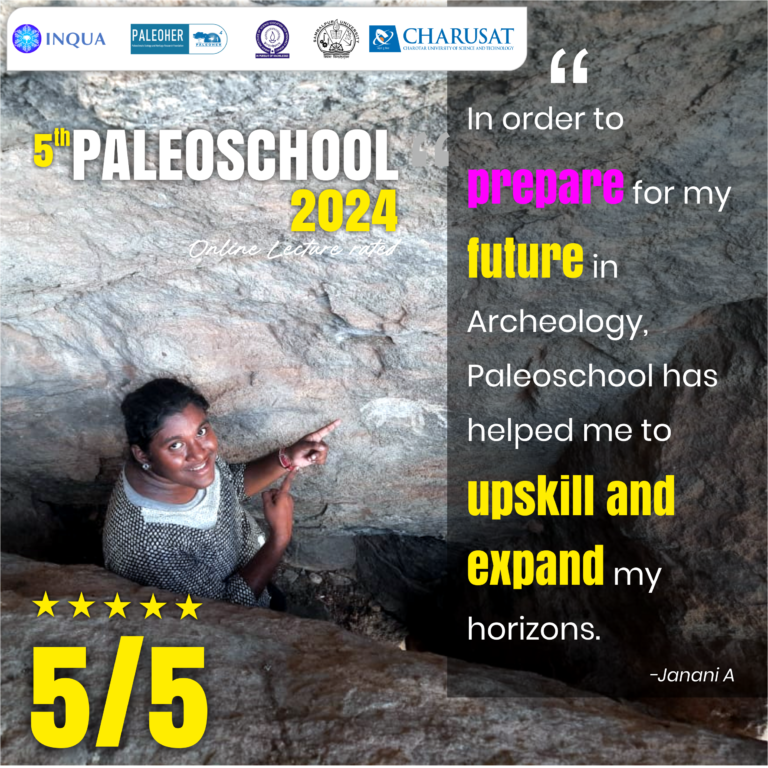
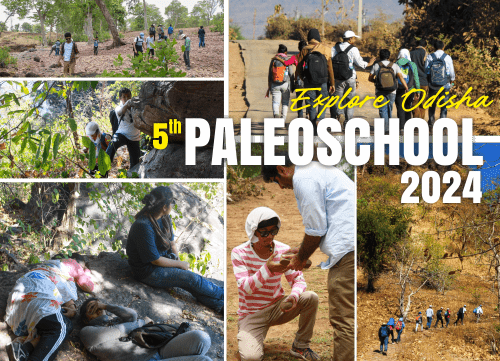
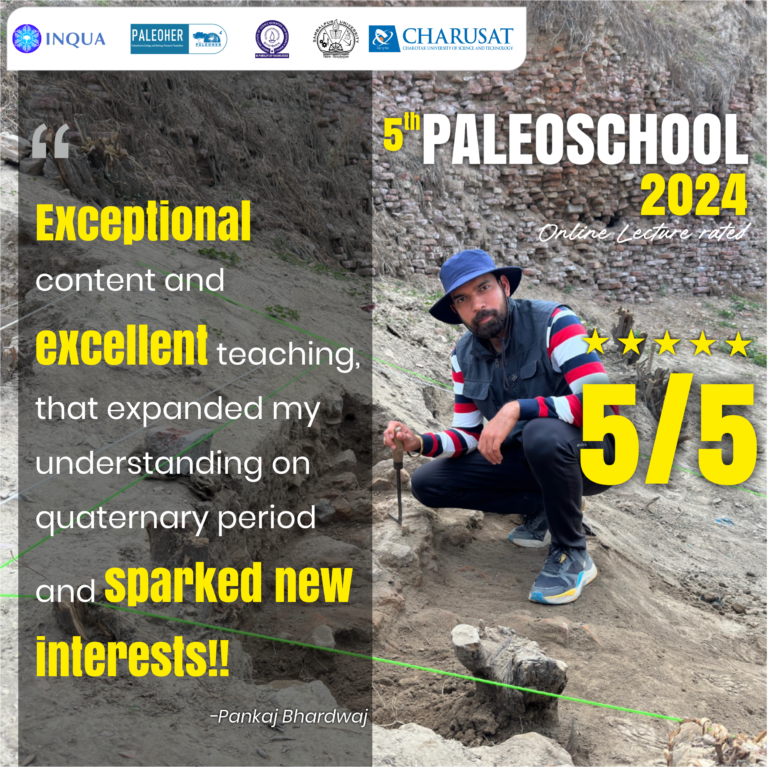
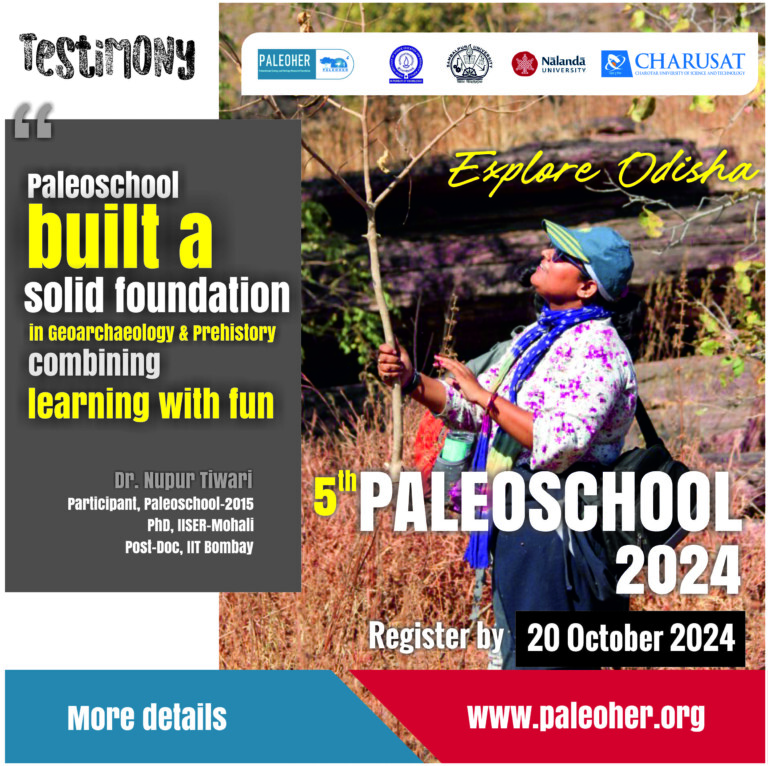
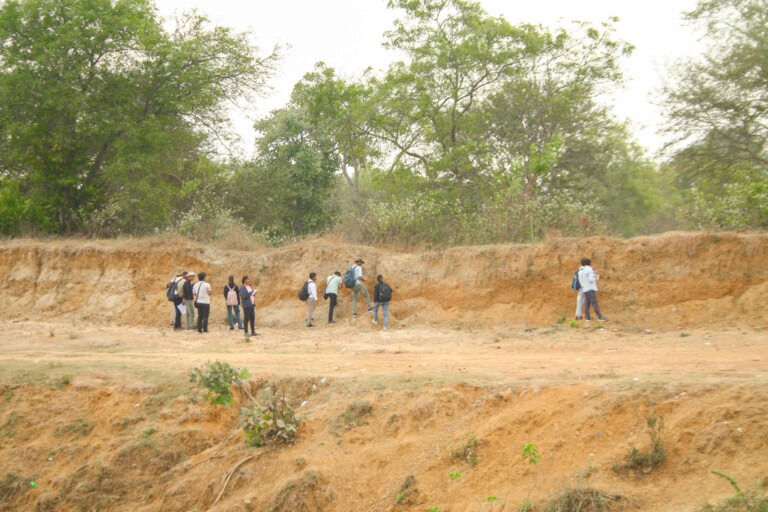
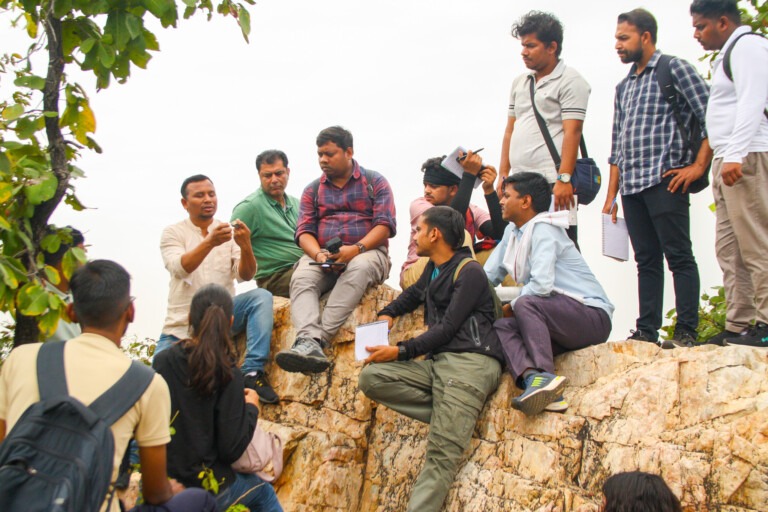
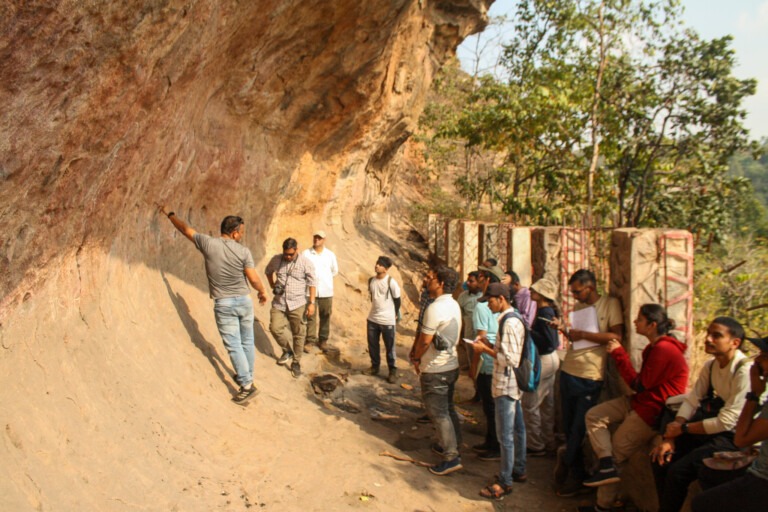
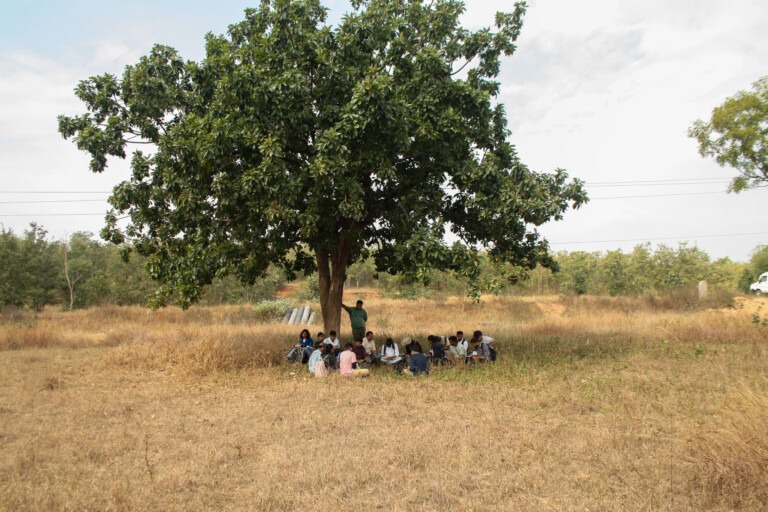
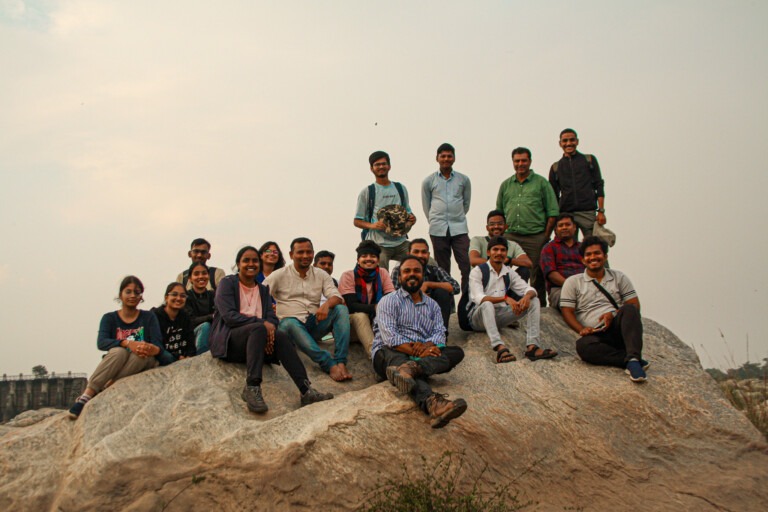
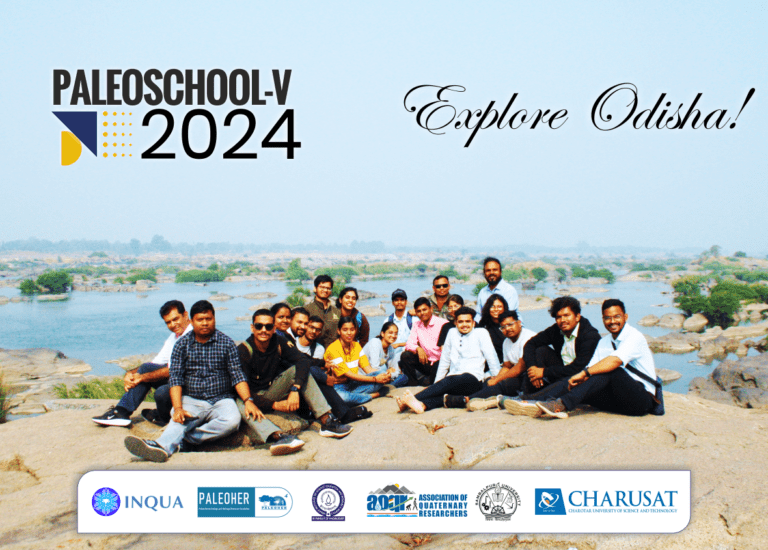
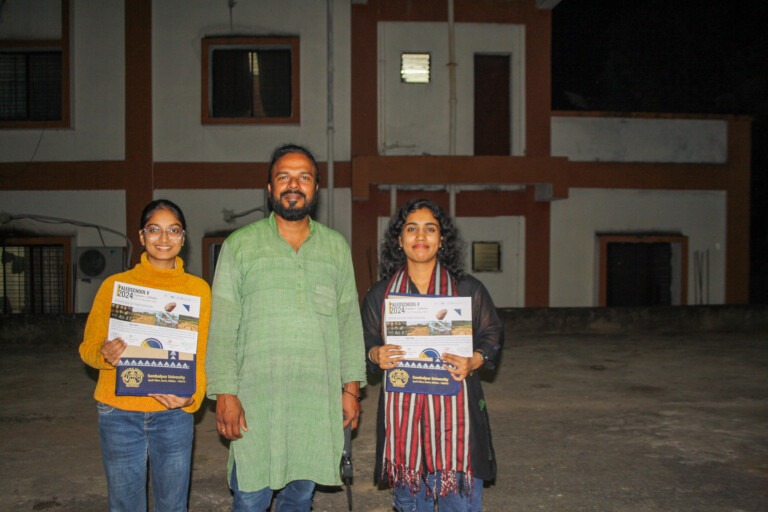
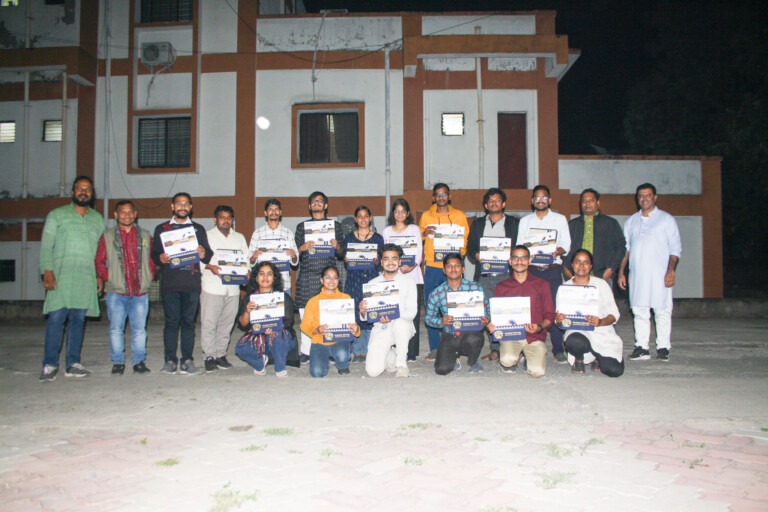
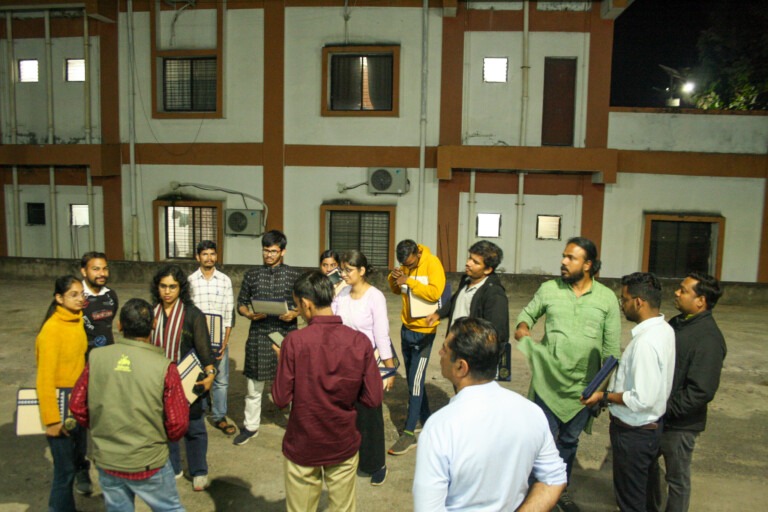
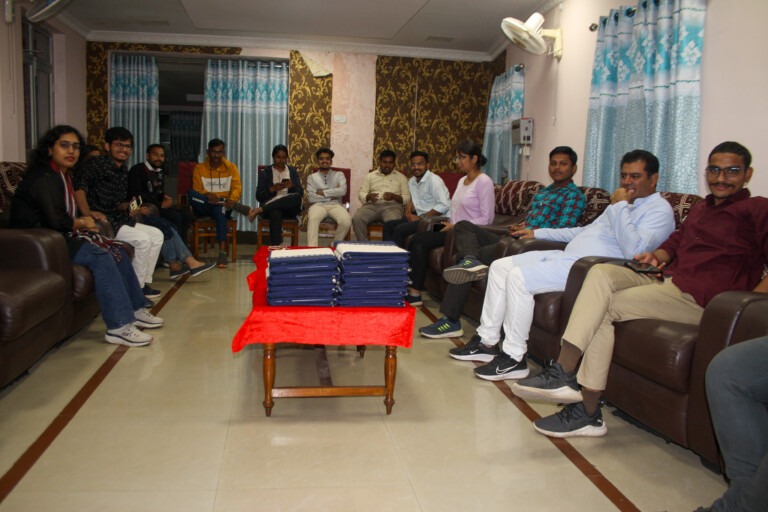
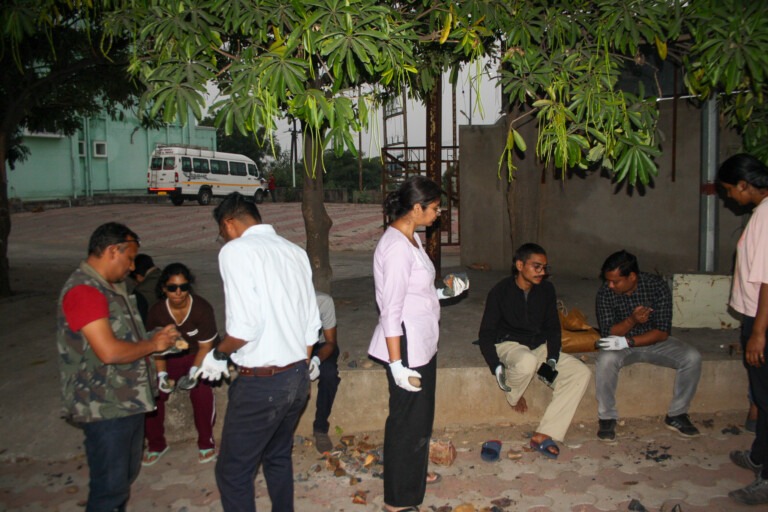
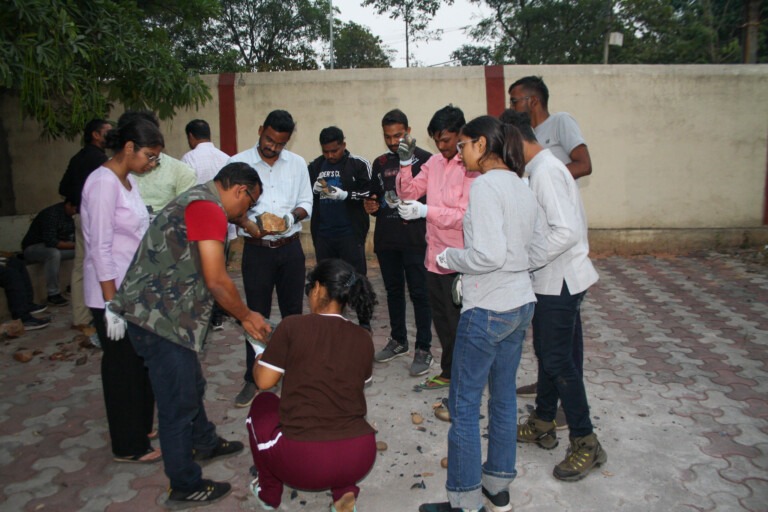
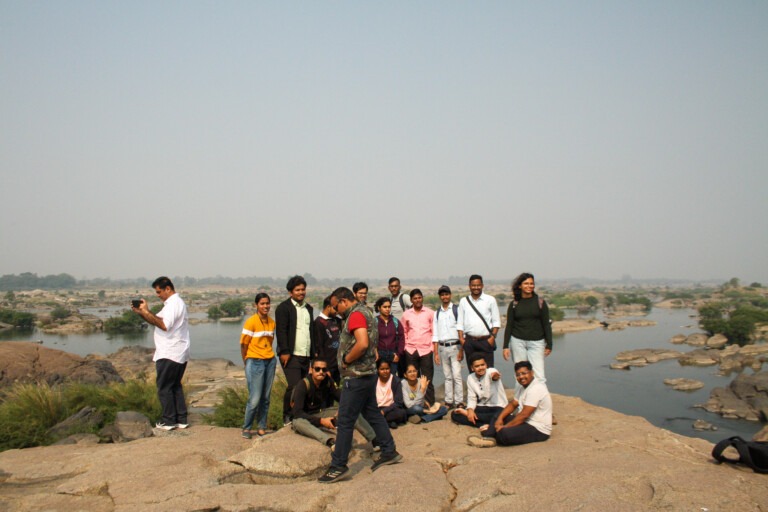
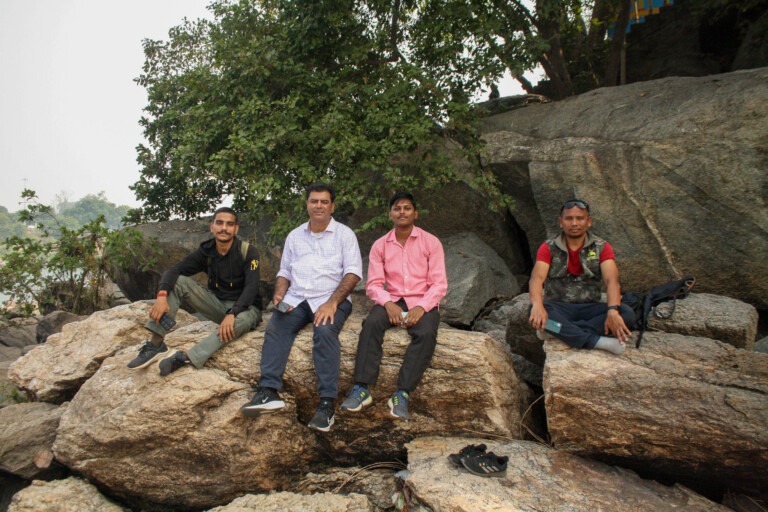
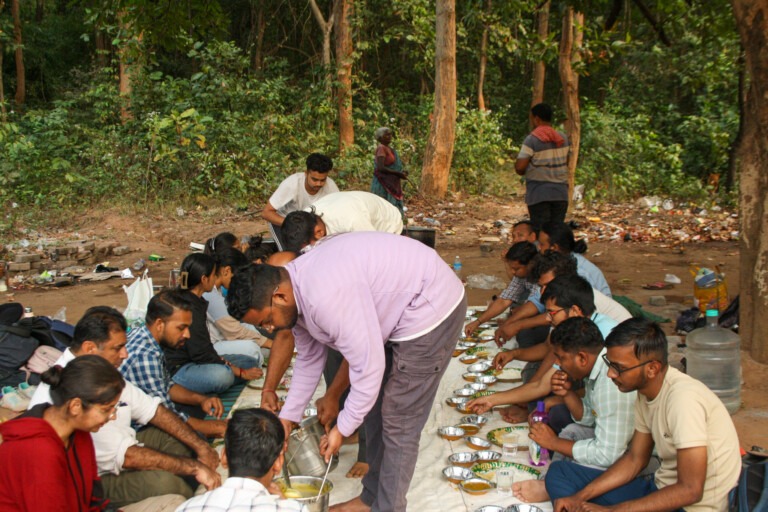
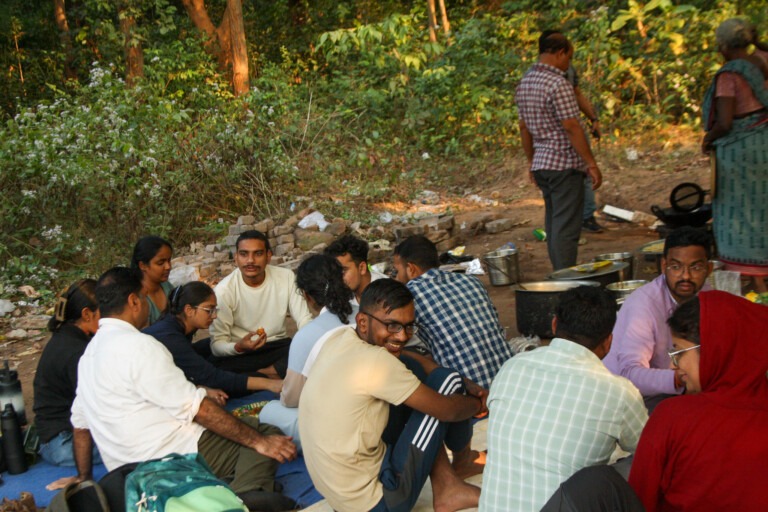
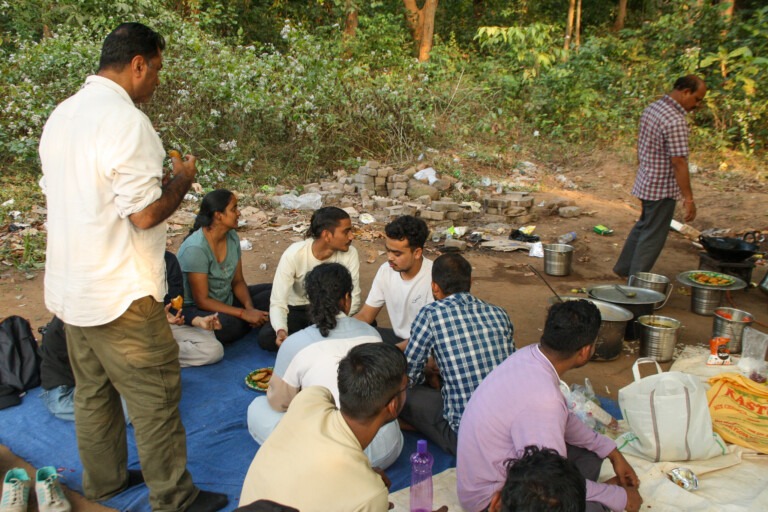
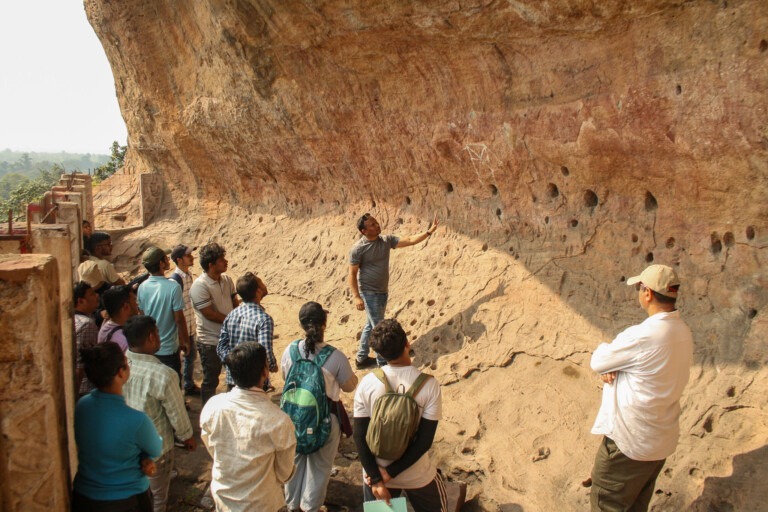
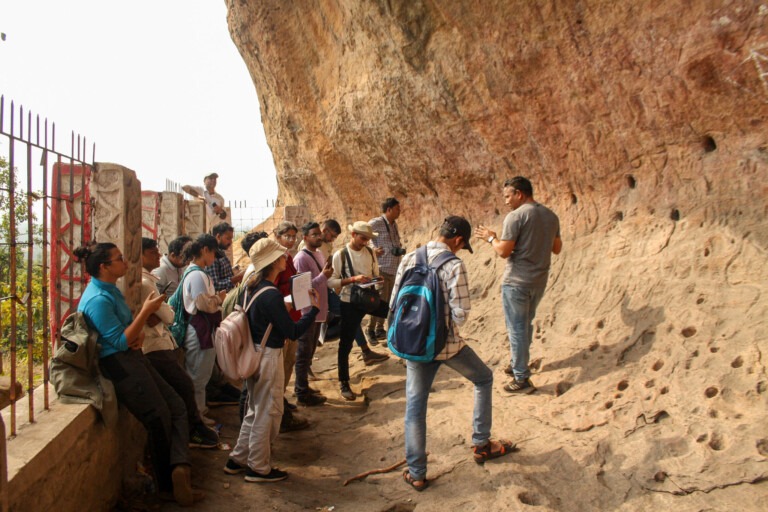
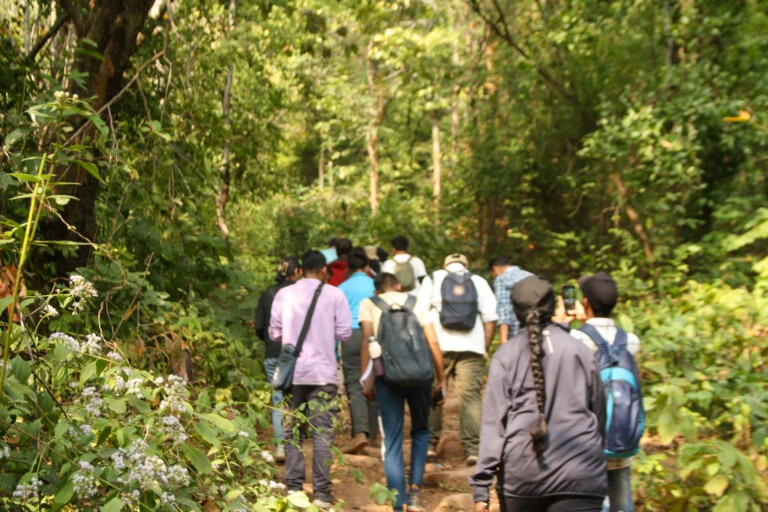
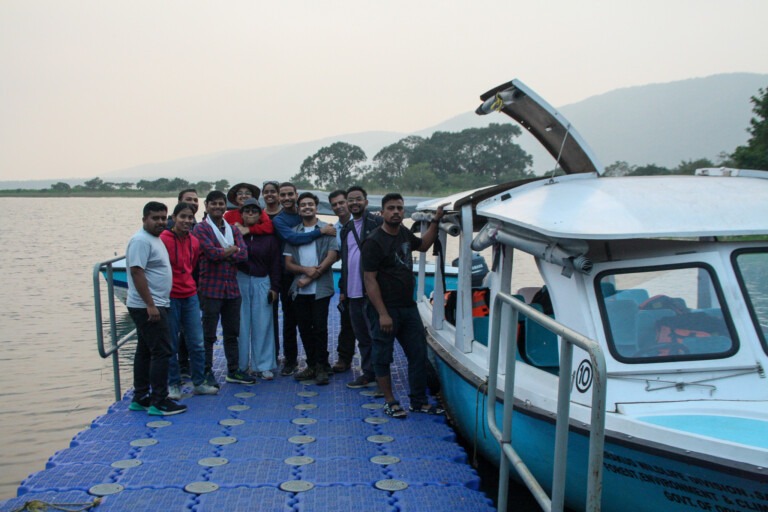
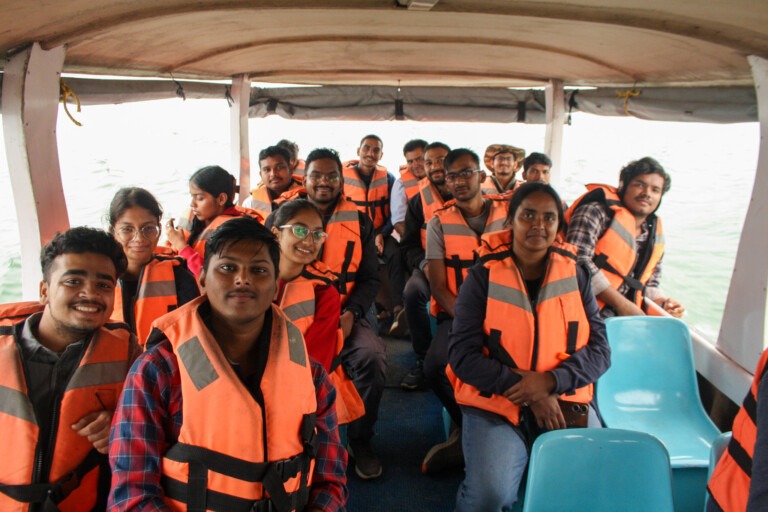
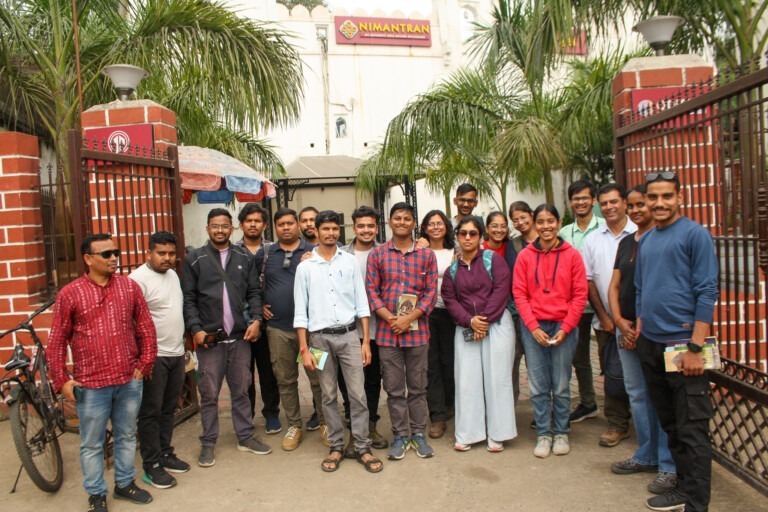
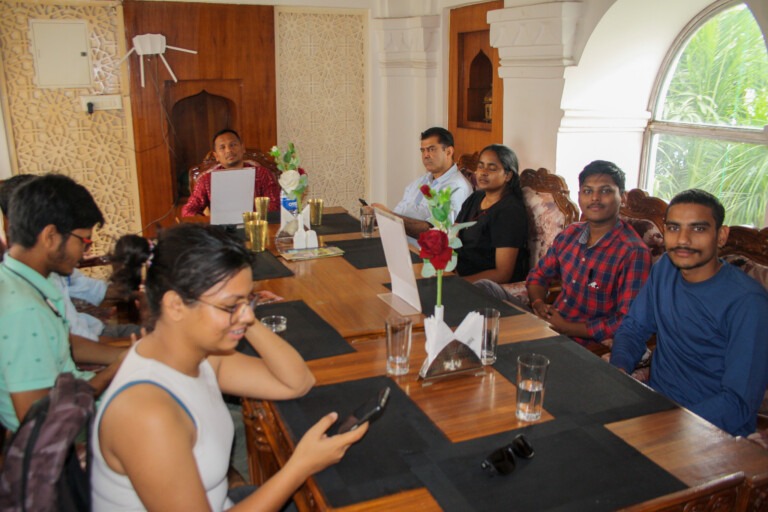
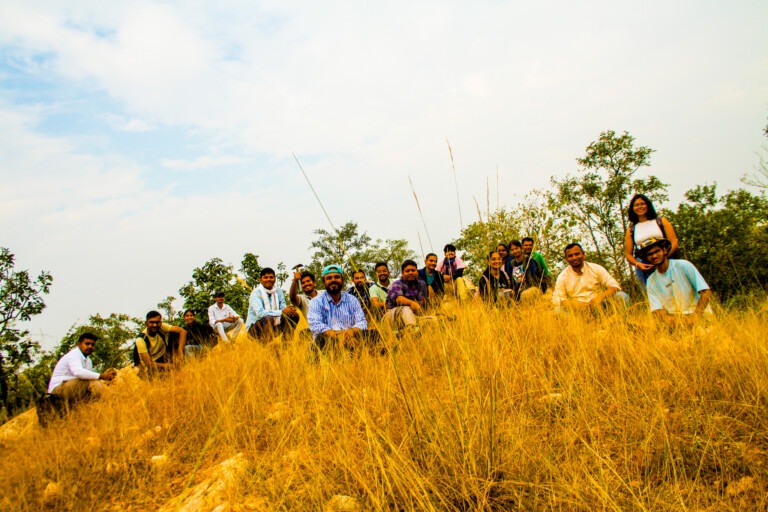
Sixteen students and a few academic faculty from all over India had gathered at Sambalpur University from December 23 to 27, 2024 to discuss, teach and learn about various scientific field methods in archaeology, geology and paleoanthropology. Faculty included Dr. Kshirasindhu Barik (Department of History, Sambalpur University, Odisha), Dr. Tosabanta Padhan (Nalanda University, Bihar), Dr. Prabhin Sukumaran (CHARUSAT, Gujarat) and Dr. Parth R. Chauhan (IISER Mohali, Punjab). They were also joined by Dr. Bharathi Karri of the Department of Anthropology, Sambalpur University. The event – entitled Paleoschool V – was formally endorsed by the International Union for Quaternary Research (INQUA) and financially supported by IISER Mohali and Association of Quaternary Researchers (AOQR) as well as through a registration fee from the participants, administered through institutional support from the PALEOHER Foundation (Gujarat). The students and faculty visited various locations within driving distance of Sambalpur, and that preserved stone tools, rock art and/or geological sections and features of Quaternary age. Specific scientific methods and theoretical concepts regarding manual and digital documentation, scientific sample collection for dating and paleoenvironmental reconstructions and different types of interpretations of the field data were taught to the students, all doing Master’s degrees and planning to pursue PhD degrees in the near future. Additionally, they were taught how to understand and interpret geological stratigraphy, different types of artifact evidences, how to decide on collection protocols and analytical strategies, how to document and understand rock art, and so forth. Such multidisciplinary hands-on methods and approaches are not formally or widely taught in university/college courses, hence this workshop was a rare opportunity to fill such knowledge gaps. In between these sessions, the field workshop participants also visited Maa Samaleswari and Huma temples and experienced traditional Odiya cuisine. On the final day, certificates of participation were formally presented to the participating students by the Registrar of Sambalpur University and the Head of the History Department. The 5-day field workshop was preceded by 60 hours of intensive online lectures by numerous Indian and international experts in the disciplines of prehistoric archaeology, geology, Quaternary studies, rock art studies, vertebrate paleontology and grant proposal writing, among others. It is hoped by the co-organisers that such types of interactive workshops will encourage increased academic pursuit of paleoanthropology in India due to its vast scientific potential and relevance, as well being a comparatively understudied subject in Indian archaeology. Pursuing paleoanthropology in India is especially critical as many Quaternary-related archaeological, geological and paleontological sites are getting regularly destroyed or impacted through natural processes and anthropogenic activities.

30 December 2022 to 1 January 2023
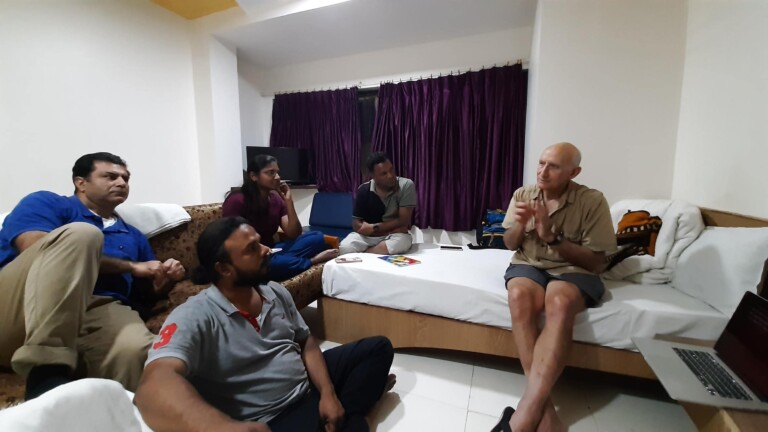
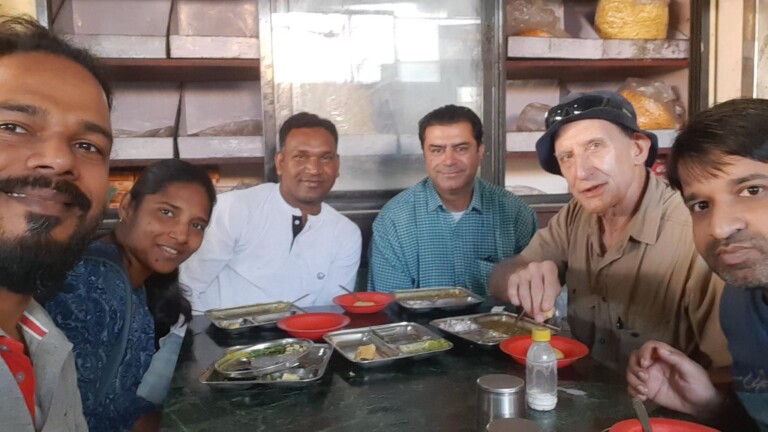
The 4th Paleoschool Field Workshop-2022-23 was organized with a focal theme as “Integrating field and lab results in Human-Climate interactions”. The event was specifically planned during the visit of Prof. Stanley Ambrose, to India so that we will be able to informally disseminate first-hand knowledge to young, early career researchers. Prof. Ambrose is an internationally acclaimed stable isotope geochemist and paleoanthropology researcher based at University of Illinois in the US. A wide publicity of the event was done through social media, personal communications and digital media. A total of 33 candidates ultimately registered for the event out of which 6 candidates were shortlisted for the field school based on the employment status, geographic location, statement of purpose and CV. The participating candidates were from diverse disciplines and institutes. Participants from Kalahandi University, Bhawanipatna, Odisha, Indian Institute of Technology Gandhinagar and Dr. K C Patel R & D Centre, Charotar Univerisity of Science and Technolgy, Changa, Gujarat successfully participated in the event. During the three-day field school workshop, participants visited key geoarchaeological sites such as Patne and the Quaternary section at Sakegaon which we have studied using multiple proxies. The base station for the workshop was Chalisgaon for the initial couple of days and Jalgaon for the last few days. Prof. Ambrose discussed on such topics as stable isotope geochemistry and associated sample collection, analytical protocols, and interpretations. Dr. Parth Chauhan covered issues related to stone tool technologies and modern human evolution research and relevance of India. Dr. Sukumaran covered the topics such as high-resolution multi-proxy analysis, landform building process, and integration of results spatially and temporally using modern tools and technologies. The event was financially supported by Charotar University of Science and Technology and Association of Quaternary Researchers (India).

6 to 10 June 2022
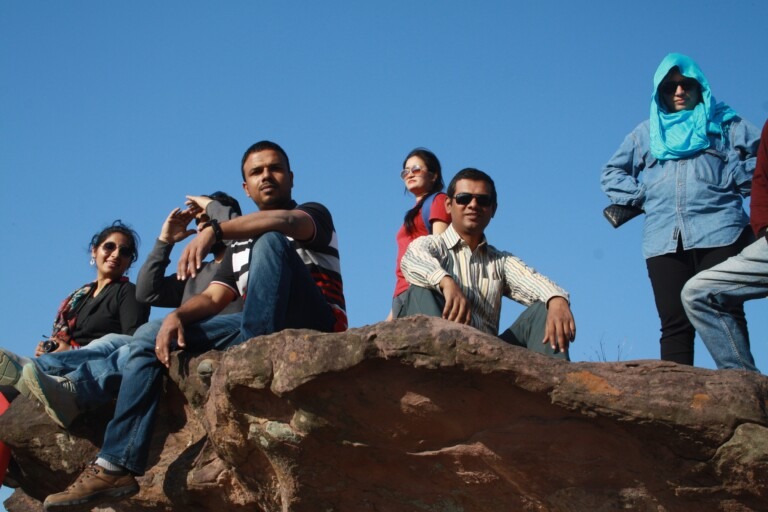
The 3rd Paleoanthropology fieldschool/workshop was held in Narmadapuram, Madhya Pradesh from June 6 to June 10, 2022. The co-organisers were Parth R. Chauhan (IISER Mohali) and Prabhin Sukumaran (CHARUSAT) and the event was co-sponsored by IISER Mohali, AOQR and BSIP. Wide publicity for the event was done through social media platforms, emails, and personal and institutional communications. Applications for the workshop were collected through an online platform. Each application included basic academic details of the applicant, a detailed CV, and a statement of purpose. Applications were received from across the states of India and reputed universities/institutes, such as AIHC & Archaeology department Vikram University Ujjain, Banaras Hindu University, Birbal Sahni Institute of Palaeosciense, Cotton University, Deccan College Post Graduate and Research Institute Pune, Delhi Institute of Heritage Research & Management, Department of anthropology, Panjab University, Chandigarh, Doon University, H. N. B. Garhwal University, IIT BHU, Indira Gandhi National Tribal University, Jawaharlal Nehru University, Kerala State Department of Archaeology, Kurukshetra University, Mahatma Gandhi University, Nalanda University, Panjab University, Pt. Deendayal Upadhyaya Institute of Archaeology, Savitribai Phule Pune University, Tamil University, University of Ladakh and Vasanta College for Women, B.H.U. The organizers of the event were critically gone through the application and the selection of candidates was made purely based on their academic credentials and statement of purpose. A total of 19 participants were shortlisted out of 41 applications and 15 students confirmed their participation. The selected candidates were provided online lectures prior to the fieldschool to facilitate smoother discussions at the sites. Participants were taken to both well-known and lesser-known prehistoric sites including stone tool occurrences, rock paintings, fossil vertebrate sites, and important Quaternary type-sections. The visited sites included Hathnora, Bhimbetka, Sardarnagar, Dhansi, Pilikarar, and Talpura, among others. Students were shown how to survey for sites, what and how to document and interpret geological and palaeontological observations, and how to collect samples for multiproxy high-resolution studies. All participants were highly enthusiastic, asked relevant questions, and provided important feedback for future workshops. Overall the event was a great success and participants were satisfied with its overall aspects. Most of the participants suggested organizing such events more frequently. The next such workshop is planned for the winter session along with international experts and this time we plan to apply for external funding.


Gallery